

I’ve always been a frugal person, but that mindset was truly tested when I quit my job to stay home with my daughter years ago.
My husband and I sat down and talked honestly about how long we thought we could make it work. We agreed that once we had to dip into our savings, it would be time for me to go back to work.
But believe it or not, we never had to — in fact, we ended up saving even more money. Those years taught me how powerful intentional spending and creative saving can be.
Now our daughter is in college, and I’m back to working full‑time, but I’m still so grateful for the flexibility I had to stay home. It was one of the best decisions we ever made, and it proved that living frugally doesn’t mean living without — it means living smart.
It can be done but it takes discipline and a mindset change.
What I’m really trying to say is this: we have money in the bank for emergencies, for retirement, for college, our cars and home are paid for. It can be done — with discipline, consistency and sacrifice. We make it work.
We practice everything I share in these money‑saving articles — and probably even more. Because the truth is, you can’t always fix money problems with money. Sometimes it’s your mindset that holds you back from reaching your goals.
If that resonates with you, I highly recommend reading Transform Your Negative Relationship with Money. It’s an eye‑opening look at how our beliefs about money shape our daily decisions. Once people understand their mindset, they can finally stop living paycheck to paycheck.
And just so you know — there isn’t a single affiliate link in this article. I do mention three apps I personally use and absolutely recommend. This post (and the ones linked to it) are here purely to give you tools to start digging yourself out.
I know everyone’s situation is different. Debts, loans, unemployment, unexpected expenses — but there are strategies in these articles that can help. Maybe not all of them, but some will fit your life right now.
So I invite you to explore, read through the links, and start taking small steps toward breaking the paycheck‑to‑paycheck cycle. You deserve financial peace, and it starts with changing how you think about money.
Start an emergency fund!
I’ve worked as a financial counselor, helping women learn how to create a budget and actually stick to it. One of the very first things I always teach is the importance of building a $1,000 emergency fund — and there’s a good reason for that.
When you’re barely staying afloat, working hard but still struggling to keep up with the bills, even the smallest setback can throw everything off. A dead car battery, a flat tire, a surprise medical copay — these tiny emergencies can completely derail your budget. Without a cushion, one unexpected expense can set you back for months. Missed work, late fees, scrambling to catch up… it becomes a cycle that’s incredibly hard to break.
That’s why that first $1,000 matters so much. It’s not about the exact number — it’s about giving yourself breathing room so one bad day doesn’t turn into a financial disaster.
With a $1,000 emergency fund, you can replace that battery, fix that tire, or cover that surprise bill without your entire life being turned upside down. It keeps you from going into panic mode or having to choose which bill to skip just to stay afloat.
Of course, not every emergency costs less than $1,000 — I wish it did. But that first $1,000 is a starting point. It’s a buffer. It’s a down payment on whatever life throws at you next. And having that cushion means one unexpected moment doesn’t have to become a crisis.
Automate a tiny savings transfer.
So how do you stop living paycheck to paycheck and actually save that first $1,000 for an emergency fund? Start with the simplest step: go to your bank or go online and set up an automatic transfer. Choose a fixed dollar amount that comes out of every paycheck and goes straight into your savings account. Automation removes the temptation to skip it — even if you start with just $5 or $10.
It’s painless, you don’t have to think about it, and before you know it, you’ll look at that balance and realize you’ve built something real. And once you see it growing, you’ll want to keep it growing.
But here’s the most important part: LEAVE IT ALONE. DO NOT TOUCH IT.
Don’t dip into it for anything that isn’t a true emergency. Pretend it doesn’t exist. This is your safety net, not your spending money.
This is a good article to read: Questions to ask yourself when you are tempted to buy something. You have to avoid those impulse buys that can throw you off track.

If you don’t have a bank account, force yourself to take $5 or $10 and put it in a separate envelope. Hide it or put it away somewhere that you won’t take it out and use it. You have to start now! There is no better time than now! Having emergency savings is the difference between surviving during tough times and not surviving.

Start making cuts:
Having emergency savings is just one step — an important one — but it’s not the whole picture. To truly stop living paycheck to paycheck, you’ll need to make cuts. And when I say cuts, I mean real cuts. Even if you’ve already trimmed your budget, it’s worth taking another honest look.
One of the easiest places to start is drinks. They seem small, but they drain more money than most people realize.
Why Drinks Are a Silent Budget Killer
- Coffee, soda, bottled water, and energy drinks can quietly drain $100–$300 a month.
- Convenience store prices are often 3x higher than grocery store prices.
- Daily drink stops become automatic habits — and expensive ones.
Simple Ways to Cut This Cost Immediately
- Stop buying drinks out. Make coffee at home and carry a reusable bottle.
- Buy cases of your favorite drinks (soda, energy drinks, sparkling water) when they’re on sale.
- Keep them cold in the fridge so you can grab one on your way out the door.
- Avoid convenience stores — they’re designed to upsell you on impulse purchases.
These small changes add up fast, and they’re one of the easiest ways to free up money for your emergency fund.
Pack your Lunch
Lunches are another huge expense that you might not think about. Even if you get cheap fast food you are still spending more than if you packed your lunch and it’s better for your health. When I say pack your lunch I mean make your own sandwich, not a premade sandwich from the store. If you don’t like sandwiches, get a can of soup from your cupboard and pour it into a microwaveable bowl. Get a baggy and pull out a handful of chips instead of having single-serve bags.

Gas prices are increasing and there is no end in sight. You will end up saving on gas and wear and tear on your car if you aren’t leaving work every day to go buy lunch. Where I work I don’t have enough time to leave and get lunch so I have to pack my lunch every single day. It takes extra planning and time in the morning or the night before and it’s a pain. However, I like the feeling at the end of the week when I can say I didn’t spend a cent all week long.
Shop the Sales-Then Stock Up
Shopping could easily be an entire post on its own — the price of food has skyrocketed — but here are a few highlights that make a big difference.
- Only stock up on what you actually use. Buying in bulk doesn’t save money if it ends up wasted.
- Check your pantry and freezer before you shop. You might already have ingredients for a few meals waiting at home.
- Skip convenience and pre‑packaged foods. You’re paying extra for someone else’s prep time.
- Do your own prep. Cut up your own carrots and apples instead of buying single‑serve bags. Buy the big tub of yogurt and portion it into reusable containers.
- Buy large bags of chips and make your own snack packs. Single‑serve packaging costs more and creates unnecessary waste.
- Use your store’s app and load digital coupons. It’s one of the easiest ways to save instantly.
- Compare unit prices. A lower sticker price doesn’t always mean the best deal — check the cost per ounce or pound.
Anything sold in single‑serve packaging is not only more expensive but also adds tons of plastic and packaging to landfills.
If you want more ideas, check out my related posts:
Eating Out: The Budget Killer Nobody Wants to Talk About!
Eating out is a major budget killer, and if you want to stop living paycheck to paycheck, this is one area you have to get control of.
Create a Backup Plan for “I Don’t Want to Cook” Days
Have a few easy, no‑effort meals in your freezer so you’re not tempted to grab takeout.
- Frozen lasagna
- Frozen pizza
- A simple skillet meal
- Crockpot dump meals you prepped earlier
These aren’t gourmet, but they’re cheaper than spending $50–$100 on dinner — because yes, that’s what eating out costs now. Even fast food has gotten ridiculously expensive.
And here’s the thing:
That $50–$100 could have gone straight into your emergency fund.
If You Do Eat Out, Be Strategic
Sometimes life happens. If you have to eat out, make it cheaper:
- Skip the drinks — water is free.
- Share a meal with your child if the portions are huge.
- If it’s just you, eat half and save the rest for lunch tomorrow.
- Use coupons. Seriously. We’ve used “buy one, get one free” and half‑off deals many times.
- Look for restaurants where kids eat free and go on those nights.
And Don’t Even Get Me Started on Delivery Apps
DoorDash, Uber Eats, Grubhub… they are convenience traps.
Service fees + delivery fees + tips = an average of $12.80 extra per order, adding up to roughly $654 a year for the average user.
That’s insane — and that money could be sitting in your emergency fund instead of disappearing into delivery fees.
This one is a no‑brainer. Cut back on eating out, and you’ll see your savings grow almost immediately.
Cooking at home:
Cooking at home is one of the most effective ways to save money. Start by checking your pantry and freezer, then build meals around what you already have. When you cook, try to use real ingredients instead of relying on packaged meals. Something as simple as roasted potatoes, chicken thighs, and a steamed vegetable — not canned — can cost as little as $5–$10 depending on your family size.
Cook once, eat twice. Pack leftovers for lunch the next day so you’re not tempted to buy food out.
When you’re shopping, look for deals on the meats you use most often. If you find a great price on chicken breasts, thighs, or any other protein, buy the larger package, portion it into meal‑sized bags, and freeze it. It saves money and makes meal prep easier.
(See how I cut up a whole pork loin and make full meals for $5 or less.)
If you need to stretch your meat, add a can of black beans or pinto beans. I do this with taco meat, shredded pork, and ground turkey — it adds volume, protein, and fiber for very little cost.
And don’t forget about meatless meals. Even one per week can make a big difference. Rice, beans, and lentils go a long way and cost a fraction of what meat does. One of my go‑to meals is Red Beans and Rice — a hearty, filling dinner for around $5.

Here are more Sisters with Stuff articles packed with practical money-saving tips :
- Quirky money-saving and thrifty things to do to save a buck
- 25 tips to make your fruit and veggies last longer
- 1000 ways to use a ham
- Easy $5 Meals to feed your whole family
Eat Seasonally
Out‑of‑season produce is almost always more expensive — and honestly, it doesn’t taste as good.
Seasonal produce is cheaper, fresher, and far more flavorful, so that’s what I focus on.In the fall, I stock up on apples and all the different varieties of squash because that’s when they’re abundant and affordable. I avoid buying produce that’s out of season and overpriced. In the summer, berries and watermelon are everywhere and inexpensive, so we eat a lot of those.
Of course, some items are budget‑friendly year‑round — things like bananas, broccoli, celery, and onions. Those go into my cart every single time because they’re consistently affordable and versatile.
Eating seasonally is one of the easiest ways to cut your grocery bill without feeling like you’re sacrificing anything.
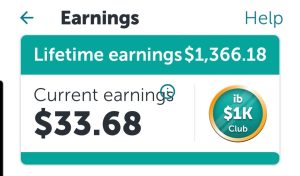
Use Rebate Apps to Save Money:

Save on your utility bills:
Whether you live in a house or an apartment or a condo, you still have to pay utility bills. Electricity, natural gas, propane, water, sewer, garbage. Those bills are all rising out of control and it’s something we all have to deal with. If you are having trouble with your electric or natural gas bill, talk to your provider. Most providers have a program called budget billing or maybe a budget payment plan.
They look at your bills for the last year and then they average it through summer and winter. They come up with an average dollar amount you will pay all year round, summer and winter. So in the winter when it’s cold, you aren’t hit with a super high bill, or in the summer when it’s hot, you aren’t hit with super high bills running the A/C. The bill is the same every month, there’s no discount you are just paying the average of your yearly bill every month.

Looking for more ways to save on utilities, read my article 25 Energy Saving Tips for your Home. It is loaded with everyday things that you can start doing right now to lower your electricity or gas bill. I also wrote an article about how we Reduced our Garbage to once per once-per-month pickup and how much we are saving by doing that. That’s another thing you can check on if you are paying for garbage service. When I am looking for ways to save I go down every avenue!!!!
What can I live without?
When you’re trying to save money, it helps to look at what you don’t actually need — the absolute basics to get by.
You don’t need paper towels. Yes, they’re convenient, but you can easily survive without them. Start using rags and washcloths instead and see how much you can cut down. Paper napkins fall into the same category. I sew my own cloth napkins using inexpensive fabric from the thrift store, and I rarely use paper ones anymore — I just keep a few on hand for guests.
Skip Bottled Water
Unless your tap water isn’t safe to drink, stop buying bottled water. If you need filtered water, buy the large jugs instead of individual bottles. Those little bottles are a waste of money — you might as well be throwing dollar bills in the trash. Plus, they add to the mountains of plastic that will sit in landfills for hundreds of years.
Get a good insulated reusable water bottle and keep refilling it. I take mine everywhere — in the car, on errands, even when we’re eating out. It saves money and helps me stay hydrated.
Cutting back on electrolyte and protein drinks helps too. I’m not a doctor, but for most people, drinking plenty of water and eating a balanced diet is enough.
Save Money on Cleaning with Simple, Low-Cost Alternatives
Cleaning products are expensive — but you don’t need most of them. Vinegar and baking soda can replace a huge portion of what’s under your sink, and they’re incredibly budget‑friendly.
- Skip the foam hand soap. Refill the bottle with water and a little regular liquid soap to make your own.
- Make a window spray using equal parts vinegar and water.
- Clean your microwave effortlessly: heat a small bowl of vinegar and water until it boils. The steam loosens all the stuck‑on food, so it wipes right off.
Ditch Store‑Bought Air Fresheners
You can make your own chemical‑free air fresheners with things you already have at home.
- Freshen stuffed animals and pillows that can’t be washed:
Place them in a large plastic bag with a few sprinkles of baking soda. Shake well, let it sit, then shake off the excess. - Make simple odor‑absorbing sachets:
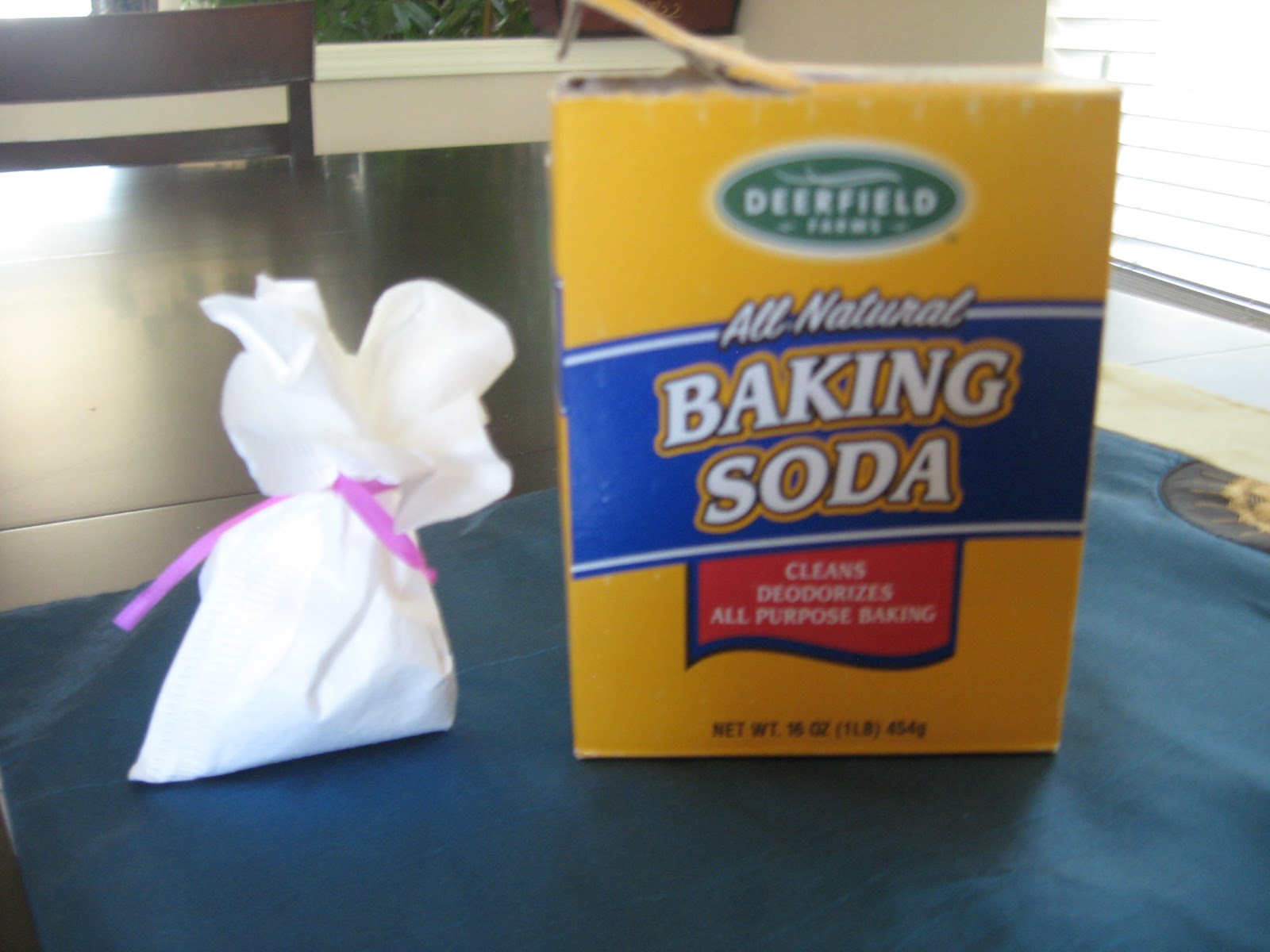
Fill a coffee filter with baking soda, tie it closed, and tuck it into shoes, closets, drawers, or gym bags. It absorbs moisture and odors for pennies.
These swaps save money, reduce chemicals in your home, and cut down on waste — all while keeping everything clean and fresh.
I can give you tips but you have to do the work!
These tips are not going to make you a millionaire but if you can make it a way of life you can start putting the extra into your savings account even if it’s just small amounts it will give you the incentive to try to save more and before you know it you could have your emergency fund. After that you can work towards paying extra on your school loans or paying off a car loan, pay for braces or buy a house…..it’s your money to do whatever you want with it.
You need to read this article: Questions to ask yourself before you make that impulse buy
- How We Paid Off Our Mortgage 10 Years Early-Without A Windfall or Magic Trick
- Your Guide to 2026 Free Entrance Days to U.S. National Parks
- Smart Shopping: 10 Proven Ways to Save on Your Grocery Bill
- 2024 National Parks Free Entrance Dates
- 2023 National Parks Free Entrance Dates


I knew a married couple years ago. The husband said, "I work hard every day to bring home a paycheck. I deserve to be able to go out for lunch every day. Ka-Ching 20days/mo @ $7.50 a day=$150/mo. The wife said I need my iced latte everyday to function. $3.50 + tip = $5.00/day x 30 days = $150/mo. They had other expensive habits too. So just the lunchs & lattes were at least $300 a month plus everything else. Needless to say, the wife couldn't afford to stop working long enough to have a family, and they still live in a rental. Sometimes our priorities and what we think we deserve get in the way of financial success. Great article, "Sisters With Stuff".
Thanks for reading the article, you are right about priorities, sometimes you have to stop and think is this really something I need or is it just a want.
Years ago, when I was in debt up to my eyeballs, and I was moved to do something about it, I categorized my spending for the past month or so, and found that the "eating out/fast food" category was larger than the rest of the spending put together. It was a real eye opener, that if I limited this one category, almost everything else would come into place.
Thanks for stopping by, you are so right, eating out can be a budget killer. I don't think some people realize how bad it is until they see the actual numbers on paper and it's shocking.
Food is definitely my highest expense! I keep making excuses for myself like “oh, its just me and eating out for just one is less expensive than buying all these groceries in bulk”.
I really need to stop with the excuses and just do it. Thanks for the suggestions and encouragement!
Ooh, love these tips, especially the baking soda and vinegar hacks at the bottom! Vinegar is such a wonder and I love how it also gets rid of mineral deposits on the sink, glass, etc.! About the finances, it is definitely possible! Sticking to a budget and planning your meals definitely goes a long a way!
I know, vinegar is the best for everything.